Appearance
Volume VII — Spirit & Philosophy
About three thousand years ago, in a forest clearing in northern India, a student asked his teacher a question. Nobody has improved on it since.
He asked: what is the one thing that, once you know it, lets you know everything else?
He was not asking for a fact. He was asking whether there is one understanding underneath all the others, and whether having it would change how everything else fits together.
That question is what this volume is about. It is also where most of the stories in this volume come from. The Ramayana and the Mahabharata ask it through people who make terrible mistakes. The Buddha asked it for six years in a forest, until he nearly starved. Socrates died for it. The Norse asked it, got a bleak answer, and stayed loyal to that answer anyway.
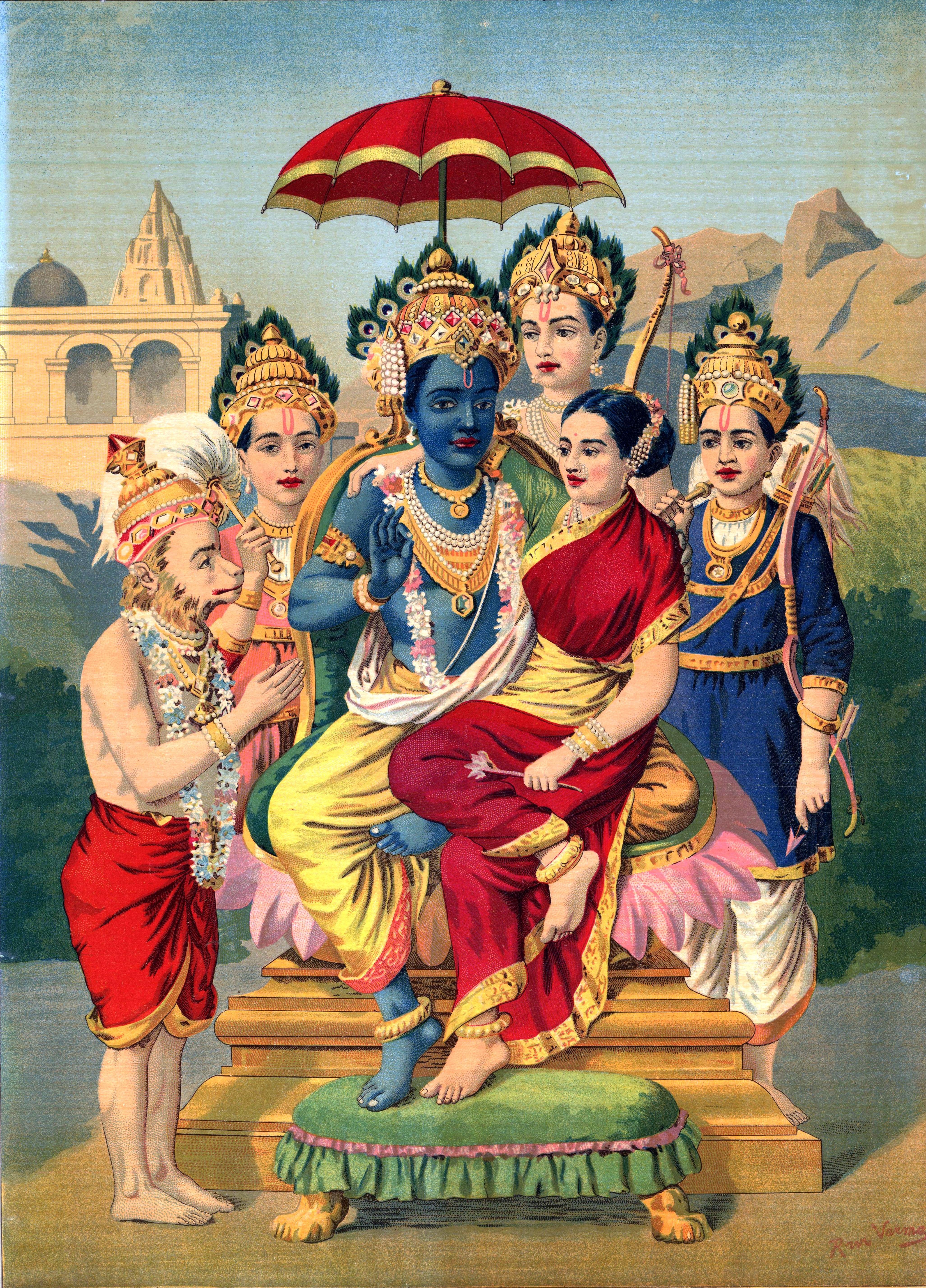
What this volume is for
It is not scholarship. The test for every page is whether it helps with a decision you will really have to make.
Should you keep a promise that has become expensive? How should you behave after being humiliated in public? What do you do with the years after someone you love dies? Can you stay calm in a room where everyone else is panicking? Will you become the kind of person others feel safe around?
Five promises
The stories are told honestly, and the miracles are grounded. This is what makes the volume what it is. Take the Ramayana's bridge to Lanka. This book does not say that stones floated because a name was written on them. It shows you what a five-day engineering job across a real, shallow stretch of sea looks like. It tells you what the oldest version of the text says. It also tells you when the floating-stone version first appeared. Nothing is dismissed, and nothing is swallowed whole. Where the answer is "we do not know," the page says so. Then it teaches what the story means either way.
The story is short and the lesson is long. The two epics hold about two hundred thousand verses between them. Retelling every line would make a huge book that changes nobody. So each chapter picks one important event and tells it briefly. Then it works the lesson all the way down. What was the vice? How did it grow? What did it cost? Where could the person have turned back? And what does the same pattern look like in an ordinary life, with a mortgage and a difficult colleague?
Every chapter picks up where the last one stopped. The Ramayana runs as one continuous story over fifteen chapters. The Mahabharata runs over twenty. Krishna's life is told twice on purpose. Once it is told inside the war, where he is a strategist under pressure. Once it is told in his own Part, as a whole human life from a hidden birth to a lonely death.
The hard questions are answered, not avoided. How Rama treated Sita. The killing of Vali from behind a tree. Krishna's advice to break the rules of war in the last four days of the battle. The Buddha's first refusal to ordain women. Caste in the Gita. Each gets a real page that gives the strongest version of both sides and then says what the evidence supports.
It ends in practice. The last Part turns the volume into something you do. You learn compassion as a trained skill, the method Krishna used to stay calm in rooms that were on fire, how to write principles that survive pressure, and a daily practice that fits a working life.
The sixteen parts
The method, and the two great stories
- Reading a Sacred Story Honestly. The method every later page uses, how old these texts really are, how a plain story grows into a miraculous one, and who the Devas, Rakshasas, Vanaras and Nagas were.
- The Ramayana. Fifteen chapters, from a king with no heir to an ending nobody has ever managed to defend. It is about duty, obedience, and the price of a promise made without thinking.
- The Mahabharata. Twenty chapters about how good people destroy each other. A vow that ruins four generations, a dice game, a war where both sides lose, and a final test at the gate of heaven that only a dog passes.
The three teachers
- Krishna: The Complete Life. From a hidden birth to a hunter's arrow. Every controversy answered.
- The Bhagavad Gita. Seven hundred verses spoken to a man falling apart on a battlefield. Includes twenty verses translated plainly enough to carry for life.
- The Buddha. His life, the Four Noble Truths, the Eightfold Path as a way of living, what "no self" actually claims, and the questions he refused to answer.
- Shiva, the Adiyogi. From a fierce storm god in the oldest hymns to the most loved figure in India.
The machinery of a life
- Karma, Dharma and the Six Enemies. This part shows what karma claims and what it does not. Karma is the idea that our actions bring results back to us. It gives the meanings of dharma, the right way to live. It also names the six inner enemies, which are pulls inside a person such as anger and greed. Each one is traced through a person the epics show it destroying.
- Indian Philosophy. The Vedas, the Upanishads, the six schools, Patanjali, Shankara, and India's own materialists who denied all of it.
- Western Philosophy. From the first people who asked what things are made of, through Socrates and the Stoics, to Kant and Nietzsche.
The world, and the way out
- The Myths of the World. Greek, Norse, Egyptian, Chinese, African and more. Why the stories rhyme across peoples who never met.
- Faith, Religion and Festivals. The world's traditions, why Bengal has Durga and Maharashtra has Ganesh, what fasting and ritual really do to a person, and where religion has done real harm.
- Ethics. The three great answers to "what should I do," the hard cases worked properly, and how to build a code that holds when it costs you something.
- Meaning, Death and the Examined Life. What each tradition and the evidence say about death, how to loosen the fear of it, grief, and what makes a life feel like it mattered.
- The Science–Spirit Bridge. This part shows where physics and the contemplative traditions honestly meet. It shows where they do not. It also teaches you how to recognise a false quantum-mysticism claim in a single paragraph.
- The Path: Becoming. The whole volume turned into a practice.
How to read it
Straight through is the intended way. The two epics are continuous stories, and the teaching Parts are built on top of them. Part 8 on karma and the vices assumes you have met Duryodhana and Ravana. Abstract vice is forgettable. Duryodhana is not.
You can still jump in.
- If someone close to you has died, 14.3 is written for today.
- If you are about to make a promise you have not thought through, read 3.2 first.
- If you cannot stop turning something over at three in the morning, try 16.3.
One thing to settle before you begin
You do not have to believe any of this is literally true for it to work on you. You do not have to believe it is false either.
The reading in this volume is simple. Behind these stories are real people, real places and real events. Over the centuries they were scaled up, the way every remembered thing is scaled up. And the people who wrote them down were sharp observers of how a human being goes wrong.
That is enough. A story does not have to be a record to be true about you.
Start with 1.1. It explains exactly what this volume does when it meets a miracle, so nothing later feels like a dodge or a demand for faith.